If you run a one product Shopify store, you do not need dozens of apps. You need a lean, conversion-focused stack that helps you turn paid traffic into sales, recover abandoned checkouts, build trust fast, and increase average order value without slowing your site down.
In my experience building Shopify apps and working with merchants in the ecosystem, one product stores win or lose on clarity. You usually have one hero offer, one main landing page path, and one shot to answer the buyer's objections. That means every app needs to earn its place.
This updated guide covers the 8 useful apps for a one product store on Shopify in 2026, plus how I would prioritise them if I were launching a new single-product brand today.
What are the best apps for a one product Shopify store in 2026?
The best apps for a one product Shopify store in 2026 are the ones that improve conversion rate, social proof, cart value, retention, and customer support without adding unnecessary complexity. For most stores, that means email/SMS, reviews, upsells, urgency, support, loyalty, stock capture, and data management.
Search results in 2026 are full of generic "best Shopify apps" lists, but the reality is different for one product brands. A single-product store does not need the same stack as a catalogue-heavy retailer. You need tools that support a focused offer, a simple funnel, and a fast buying decision.
Here is the shortlist I would recommend most often:
- Klaviyo for email and SMS automation
- Oxify Slide Cart Drawer for cart upsells and offer stacking
- Loox or Yotpo for photo and video reviews
- Qikify for urgency and conversion widgets
- Smile.io for loyalty and referrals
- Matrixify for data control and bulk editing
- Doran for back-in-stock alerts and pre-orders
- Crisp for live chat and support
Why does a one product store need a different app stack?
A one product store needs a different app stack because every app affects the same single conversion path. You are not trying to improve category navigation or product discovery across hundreds of SKUs. You are trying to make one offer feel irresistible.
That changes the priorities. Instead of adding lots of merchandising tools, I would focus on apps that answer questions like: Can I trust this product? What happens if I leave? Is there a better bundle or add-on? Will it arrive in time?
If you overload a one product store with too many widgets, your conversion rate often drops. I have seen this happen repeatedly. Merchants install ten apps to chase tiny gains, then end up with a slower storefront, messy scripts, and overlapping popups that hurt the one thing that matters most: getting the first sale.
How do I choose the right Shopify apps for a one product store?
The right apps are the ones that solve a clear bottleneck. Start with your biggest weakness first, then add only what improves performance measurably.
When I test app stacks for Shopify stores, I usually score each app against five criteria:
- Revenue impact - does it increase conversion rate or AOV?
- Speed impact - does it slow the storefront down?
- Ease of setup - can a solo merchant launch it quickly?
- Cost efficiency - does it justify the monthly fee?
- Overlap - does Shopify or another app already cover this?
If you are just starting out, I would keep your initial stack under £40 to £50/month equivalent if possible, using free plans where available. As a rule, one product stores should add apps in layers: trust first, then recovery, then AOV, then retention.
Which 8 apps are most useful for a one product Shopify store in 2026?
These eight apps cover the core jobs a one product store needs done well in 2026. They are not the only options, but together they form a strong, modern stack.
I have also included where older choices from the original article still make sense, and where the market has moved on.
1) Klaviyo for email and SMS marketing
Klaviyo is the best starting point for lifecycle marketing on a one product store. It helps you recover abandoned checkouts, follow up after purchase, segment buyers, and drive repeat revenue from a very small product catalogue.
In 2026, email and SMS still do a huge amount of the heavy lifting for Shopify brands. Klaviyo is especially useful for one product stores because your flows are simpler to build. You usually need a welcome flow, abandoned cart flow, browse abandonment flow, post-purchase education flow, and review request flow.
Research commonly cites that automated flows can produce very high ROI, and Klaviyo continues to be one of the most widely adopted tools in the Shopify ecosystem. The free plan for smaller lists makes it realistic for early-stage brands, and once you have traction, the segmentation becomes much more valuable.
For a one product store, I especially like using Klaviyo to educate buyers who are interested but not yet convinced. If your product needs explanation, comparison, or usage tips, email can do a lot of the selling that the product page cannot do alone.
If you want to go deeper on retention and customer data, read How to Manage Shopify Customer Data Without Losing Sales and Best CRM for Shopify in 2025: Complete Merchant’s Guide.
2) Oxify Slide Cart Drawer for cart optimisation and upsells
Oxify Slide Cart Drawer is one of the most practical ways to increase AOV on a one product store. It combines cart upsells, free shipping bars, BOGO mechanics, and timers in one place.
One product stores often assume upselling is not relevant because they only sell one hero product. In practice, that is rarely true. You can upsell multi-buy offers, extended warranties, bundled accessories, gift wrap, or a higher-quantity pack. I build upsell apps myself, and this is one of the biggest misunderstandings I see from newer merchants.
When merchants add a strong cart drawer strategy, I often see the biggest gains come from simple offers like buy 2 save 10% or add one more for free shipping. You do not need a complicated funnel. You need the right prompt at the right moment.
If you are thinking about upsells more broadly, these guides will help: How to upsell on Shopify in 2026, How to Create Shopify Cart Drawer Upsells That Boost AOV, and How to Maximize Revenue from Your Shopify Product Pages.
3) Loox for photo and video reviews
Loox is one of the best review apps for a one product Shopify store because it makes visual social proof easy to collect and display. For a single-product brand, that matters a lot because buyers usually spend more time scrutinising the one product page.
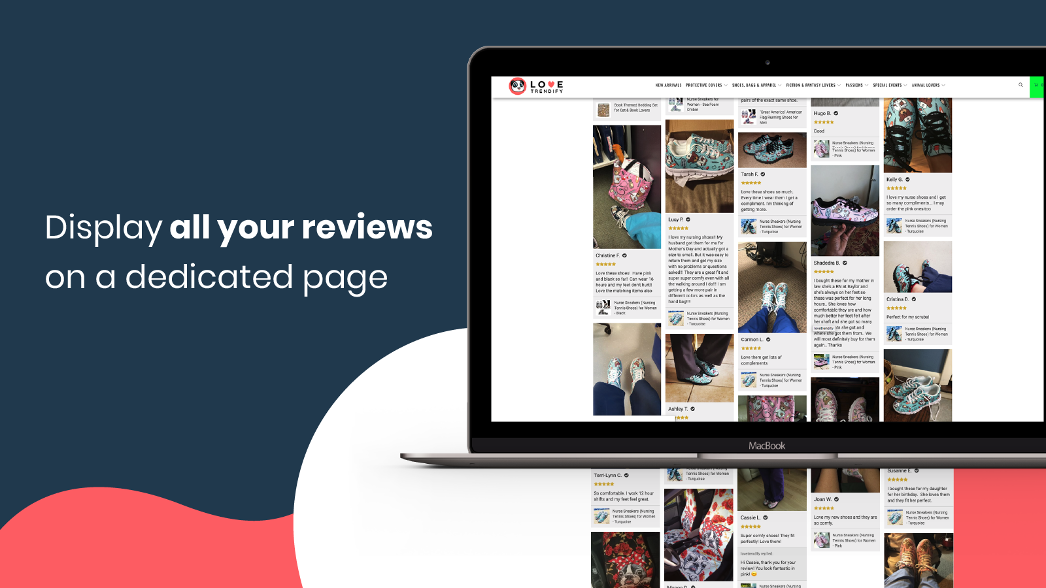

Loox lets you collect reviews with photos and videos, then place them where they support the buying decision best. In my experience, one product stores benefit most from reviews that show real-world use, results, and before-and-after context.
That is why simple star ratings are not enough anymore. In 2026, shoppers expect proof that your product works for people like them. If your product solves a visible problem, visual reviews can do more than almost any badge or sales copy tweak.
Loox is not the only option. Yotpo is also strong, especially if you want more advanced integrations and broader retention tooling. But for many smaller one product stores, Loox remains best for visual credibility without too much setup friction.
If you are also comparing review tools, you may want to look at Lumo Reviews as well, especially if you prefer a simpler review workflow from an independent Shopify app developer perspective.
4) Qikify for urgency and conversion boosters
Qikify helps add urgency and promotional cues without redesigning your whole theme. It is useful for one product stores that need to reduce hesitation and make the offer feel timely.
Typical features include countdown timers, promotion bars, stock counters, and sales motivators. Used carefully, these can lift conversion rate. Used badly, they can make a store look cheap or misleading.
That distinction matters. I always tell merchants that urgency should support a genuine offer, not fake one. If your timer resets endlessly or your stock counter looks obviously fabricated, trust drops fast. For one product stores, trust is your whole business model.
If your store depends on delivery cut-offs or seasonal demand, a dedicated urgency app can work well alongside a shipping-focused tool like Delivery Timer. I have seen delivery messaging outperform generic scarcity messaging in many niches because it answers a practical question buyers already have.
5) Smile.io for loyalty and referrals
Smile.io is a strong loyalty and referral app for one product stores that want repeat purchases or word-of-mouth growth. It is especially useful when your product is consumable, giftable, or naturally shareable.
A lot of one product stores focus so heavily on first-purchase acquisition that they forget retention. That is a mistake. If your product has any repeat purchase cycle at all, loyalty can improve margins substantially because referral and repeat revenue are usually cheaper than paid traffic.
Smile.io supports points, VIP tiers, and referral incentives. For a one product store, I would keep the programme simple. Offer a reward for a second order, a friend referral, or a multi-unit purchase. Complexity tends to reduce participation.
This also pairs nicely with post-purchase upsell and retention content. If you are exploring that angle, read AI-powered upsells: the future of ecommerce conversion and How to upsell on Shopify leveraging AI.
6) Matrixify for data management and bulk operations
Matrixify is the app I recommend when merchants need serious control over Shopify data. Even one product stores benefit from it when managing metafields, redirects, inventory workflows, order exports, or structured content updates.
On the surface, Matrixify can seem like overkill for a single-product brand. But in practice, it becomes useful as soon as you want to bulk edit landing pages, migrate data, handle metafields cleanly, or keep a proper backup of store information. That becomes even more important as your store grows beyond its first product.
In my experience, merchants often ignore data hygiene until something breaks. Then they realise how painful manual exports and imports can be. Matrixify is best for control, especially if you are testing offers, variants, bundles, or international storefront changes.
It is also one of those apps that saves time quietly in the background. It may not increase conversion rate directly, but it can prevent operational headaches that slow down growth.
7) Doran for back-in-stock alerts and pre-orders
Doran is useful when your one product store sells out, runs limited drops, or wants to capture demand before inventory lands. It helps turn stockouts from a dead end into a lead and revenue opportunity.
For one product stores, this matters more than it does for broad catalogues. If your one item is unavailable, the whole store can effectively stop converting. Back-in-stock alerts let you retain buyer intent, while pre-orders let you monetise demand earlier if your fulfilment setup allows it.
I like this category because it solves a very specific leak in the funnel. Instead of losing a warm prospect, you collect an email or secure a future order. That is especially valuable if your paid ads are already working and stock is the only bottleneck.
If your business has customised production or made-to-order workflows, you should also read How to Track Customized Orders in Shopify and How to Add a Rush Order or Production Option to Your Shopify Store.
8) Crisp for live chat and customer support
Crisp is one of the better support options for smaller Shopify brands that need live chat, email, and messaging in one dashboard. It helps reduce friction at the point of purchase.
One product stores often get the same questions repeatedly: shipping times, sizing, compatibility, returns, ingredients, materials, setup, and warranty. If those questions go unanswered, conversion rate suffers. A fast support layer can be the difference between a bounce and a sale.
I generally prefer support tools that are easy to manage as a solo founder. Crisp fits that well. AI bots can help with repetitive queries, but I would still make sure your core FAQs are written clearly on the product page itself. Chat should support the page, not replace it.
If customer support is becoming a bigger part of your stack, see Free CRM Apps for Shopify: 5 Best Options and HubSpot vs Salesforce vs Klaviyo for Shopify.
How do these apps compare for one product stores?
The best app depends on the bottleneck you are trying to fix. If you are getting traffic but few sales, start with reviews and urgency. If you are getting add-to-carts but low AOV, start with upsells. If buyers disappear after visiting, start with Klaviyo.
Here is a practical comparison table based on how I would evaluate them for a one product Shopify store.
| App | Main job | Best for | Typical starting cost | My verdict |
|---|---|---|---|---|
| Klaviyo | Email and SMS automation | Abandoned carts, flows, repeat sales | Free for small lists | Essential for most stores |
| Oxify Slide Cart Drawer | Cart upsells and offer stacking | Increasing AOV | From $19.99/month | Best for monetising intent |
| Loox | Photo and video reviews | Trust and social proof | Paid plans from entry level pricing | Best for visual products |
| Qikify | Urgency and conversion widgets | FOMO and promotional messaging | Free plan or trial often available | Useful if used sparingly |
| Smile.io | Loyalty and referrals | Repeat purchase and word of mouth | Free plan available | Great for consumables |
| Matrixify | Bulk data management | Metafields, exports, operational control | Free and paid tiers | Best for scaling cleanly |
| Doran | Back-in-stock and pre-orders | Stockouts and launches | Low-cost entry tiers | Very useful for limited inventory |
| Crisp | Live chat and support | Pre-purchase questions and service | Affordable entry pricing | Strong support layer |
What happened to the older app picks from the original article?
Some older app categories still matter, but the best tools and priorities have shifted. The original post was directionally right about reviews, upsells, and abandoned cart recovery, but the 2026 version of a winning stack is more integrated and more selective.
For example, OneSignal and web push notifications can still be useful for certain stores, especially if you have repeat visitors on desktop and want another recovery channel. But for most one product stores in 2026, I would usually prioritise Klaviyo first because email and SMS remain more central and measurable.
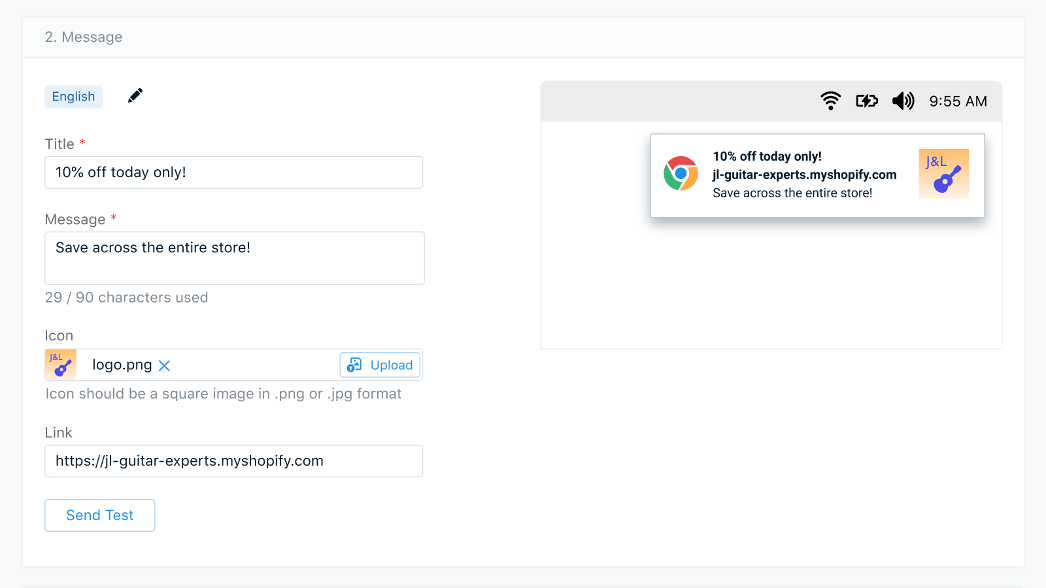

If you still want to explore that route, you can look at OneSignal, though the verified URL provided points to the broader Shopify App Store categories page rather than a dedicated listing.
The same goes for older picks like SellUp. I know this category well because I build in the upsell space myself. Upsells are still absolutely relevant for one product stores, but merchants now often want more all-in-one cart functionality, which is why tools like Oxify have become more competitive.
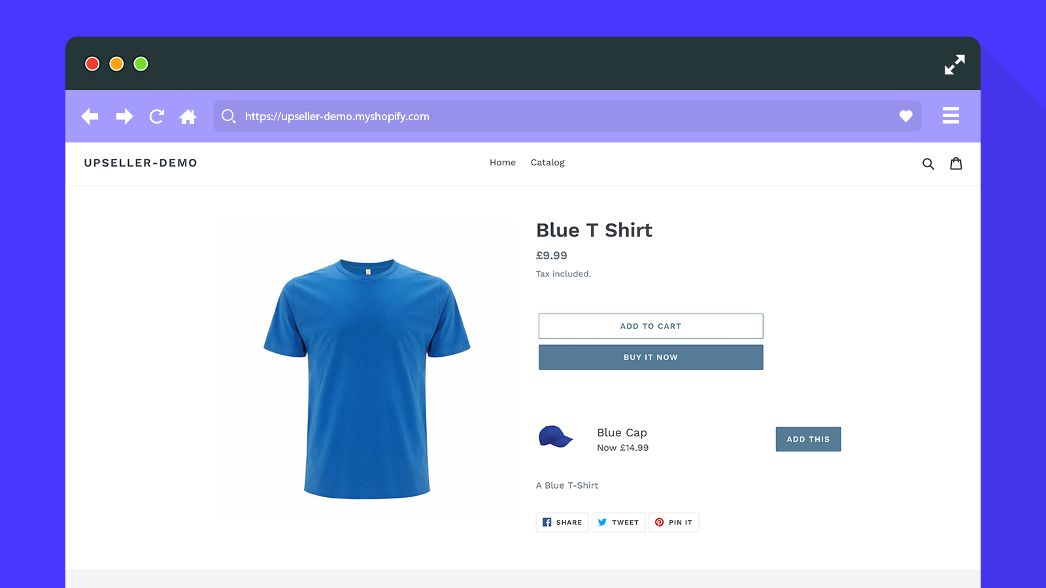
You can still review SellUp from the categories page provided, but I would make your final choice based on whether you need product page upsells, cart drawer offers, or post-add-to-cart prompts.
What is the best app stack for a new one product Shopify store on a budget?
The best budget stack is usually Klaviyo + Loox + one upsell tool, then add support or urgency once traffic starts coming in. You do not need all eight apps on day one.
If I were launching a one product store from scratch in 2026, I would start with this order:
- Loox or another review app for trust
- Klaviyo for abandoned cart and follow-up flows
- Oxify Slide Cart Drawer for AOV
- Crisp if support questions are blocking conversions
- Qikify or Delivery Timer if urgency or shipping clarity is a problem
- Doran once stockouts become frequent
- Smile.io once repeat purchase behaviour is established
- Matrixify as operations become more complex
That approach keeps costs sensible while still covering the biggest revenue levers. Most early one product stores do better with fewer apps, better configured than with a long stack of half-used tools.
How can I stop apps from slowing down my one product store?
You can stop apps from slowing down your store by installing fewer of them, removing overlap, and checking whether each app loads scripts on every page. Performance matters a lot for one product stores because most paid traffic lands on a small number of pages.
In my experience, the biggest speed issues come from merchants stacking multiple popups, review widgets, and tracking tools without auditing what each one injects. If two apps do similar jobs, keep the one that drives more revenue. Delete the other.
You should also test your storefront before and after every installation. Be especially cautious with apps that add multiple widgets across the homepage, product page, cart, and thank-you page all at once. If you want to understand the common traps, read The Hidden Truth About Shopify Speed Optimization Scams.
Do one product Shopify stores still work in 2026?
Yes, one product Shopify stores still work in 2026, but they need stronger positioning and better conversion systems than they did a few years ago. The easy-win era is mostly gone.
Competition is tougher, ad costs are higher, and shoppers are more sceptical. But a focused one product store can still perform very well if the offer is clear, the product solves a real problem, and the app stack supports the journey properly. In fact, single-product brands often have an advantage in messaging because everything points to one hero offer.
What has changed is the standard buyers expect. You need credible reviews, solid lifecycle marketing, clear delivery messaging, and a frictionless mobile experience. The apps in this guide help with those fundamentals.
Which app should I install first?
The first app I would install is usually a review app or Klaviyo, depending on the store's stage. If your store has traffic but weak trust, start with reviews. If your store has traffic and abandoned carts, start with Klaviyo.
For many one product stores, the first three apps should be some version of this:
- Reviews to build credibility
- Email/SMS to recover lost visitors
- Upsells to raise AOV
Everything else should come after you have evidence it solves a real bottleneck. That is the main difference between a profitable app stack and an expensive one.
If you are also thinking about how AI search and shopping agents will affect your store in 2026, I strongly recommend reading How to Optimize Your Shopify Store for AI Shopping Agents and How to Get Your Shopify Store into ChatGPT: Step-By-Step Guide.
Final thoughts on the best Shopify apps for one product stores
The best Shopify apps for a one product store in 2026 are the ones that help you sell the hero product more effectively, not the ones that make your app list look impressive. If an app does not improve trust, conversion, AOV, retention, or operations, it probably does not belong in your stack.
If I were advising a merchant today, I would build around Klaviyo, Loox, and a strong upsell layer first. Then I would add urgency, support, loyalty, stock capture, and data tooling only as the business proves it needs them.
That is the practical way to build a one product Shopify store in 2026: lean stack, clear offer, measurable improvements.